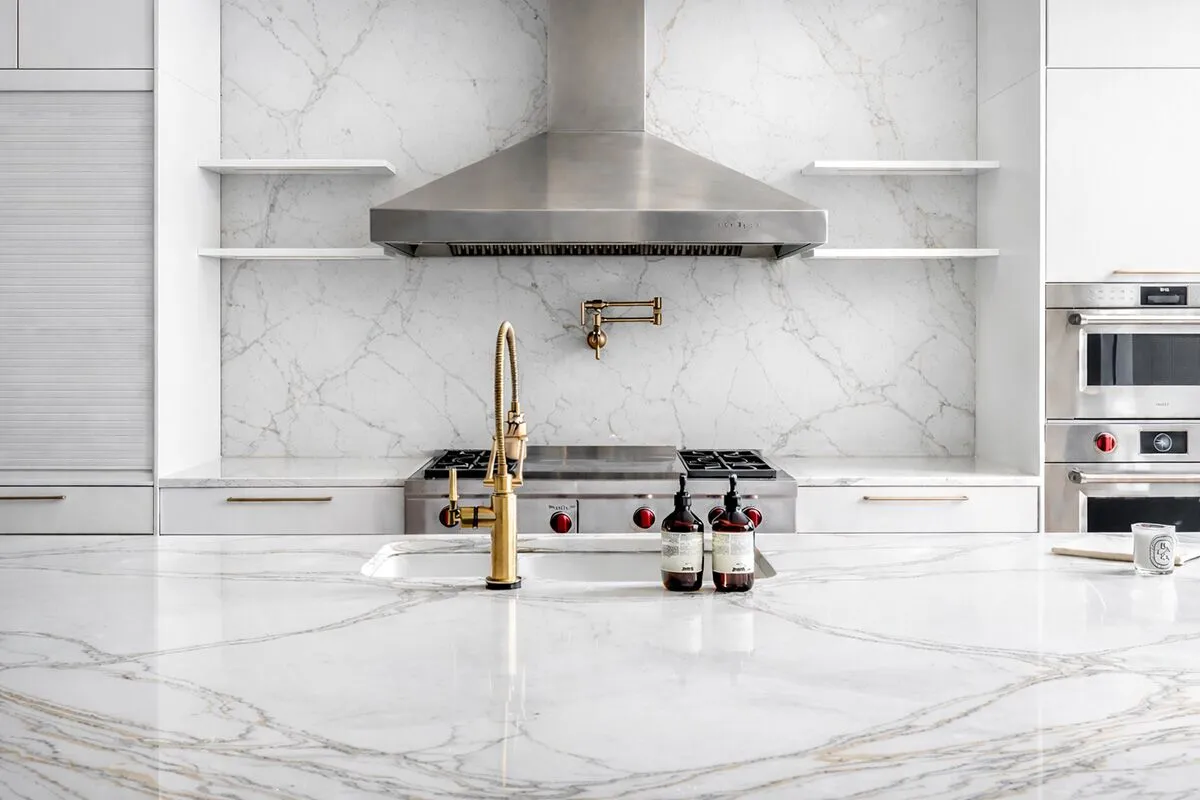
A kitchen is an essential part of a comfortable home, combining everyday responsibilities with opportunities for family interaction. It is where fresh ingredients become meals, household supplies are organized, and people often gather to share conversations. Because this space is used so frequently, its design should support convenience, cleanliness, and personal comfort. A carefully arranged kitchen can improve daily routines without requiring expensive changes.
The planning process should begin with a clear understanding of the available space. Before selecting furniture or appliances, homeowners should consider where cooking, washing, food preparation, and storage activities will take place. A sensible arrangement allows people to move naturally between these areas. Keeping frequently used equipment within easy reach can also reduce unnecessary movement and make cooking less stressful.
Choosing the right cabinets is an important step toward creating an organized environment. Cabinets should provide enough room for cookware, dishes, food containers, and other household essentials. Modern storage features such as pull-out drawers, adjustable shelves, and corner organizers can help make better use of available space. The exterior finish should complement the overall interior design, while the internal construction should be strong enough to handle regular use.
Countertops also contribute significantly to kitchen functionality. They provide the surface needed for chopping ingredients, preparing meals, and placing small appliances. Materials such as granite and quartz are popular for their durability and attractive finishes, while laminate offers an affordable alternative. Homeowners should consider how much maintenance each material requires before making a decision. A practical countertop should be easy to clean and suitable for everyday activities.
Another useful improvement is creating a dedicated area for breakfast and quick meals. A small breakfast counter or seating arrangement can provide a comfortable place to enjoy coffee, prepare snacks, or spend time with family members. In larger kitchens, an island can serve multiple purposes by offering additional preparation space, storage, and casual seating. The design should leave enough room for comfortable movement around the furniture.
Lighting can make the kitchen feel more welcoming and improve visibility during cooking. Natural light from windows creates a pleasant daytime environment, while ceiling fixtures provide general illumination. Additional lighting beneath cabinets helps brighten preparation surfaces, especially during the evening. Selecting fixtures that complement the cabinets and countertops can also improve the overall appearance.
Appliances should be selected according to household requirements rather than appearance alone. A refrigerator needs enough capacity for regular grocery purchases, while an oven and cooking range should match the household’s meal preparation habits. Dishwashers and other convenient equipment can reduce the time spent on routine chores. Energy efficiency, product reliability, and installation dimensions are all important considerations when purchasing new appliances.
Keeping kitchen supplies organized can make everyday tasks much easier. Frequently used spices, utensils, and cooking ingredients should have convenient storage locations. Pantry shelves can be arranged according to food categories, making it easier to monitor supplies and avoid unnecessary purchases. Drawer organizers and labelled containers can also help maintain order without occupying additional floor space.
Cleanliness is another essential part of a functional kitchen. Countertops, sinks, cooking surfaces, and appliance handles should be cleaned regularly. Proper food storage helps maintain freshness, while removing household waste prevents unpleasant odors. Homeowners should also pay attention to ventilation because cooking releases steam, smoke, and airborne grease. A suitable extractor system helps maintain a more comfortable indoor environment.
Small decorative changes can refresh the kitchen without requiring a complete renovation. Replacing outdated cabinet handles, introducing a new backsplash, adding indoor plants, or updating light fixtures can make the space feel different. Choosing a consistent colour scheme helps create a balanced appearance, while practical accessories ensure that decoration does not interfere with everyday activities.
Ultimately, a beautiful kitchen should also be easy to use and maintain. Its layout, storage, appliances, and finishes should work together to support the household’s daily needs. With careful planning, durable materials, and regular attention to cleanliness, homeowners can create a kitchen that combines visual appeal with lasting practicality.
Leave a Reply