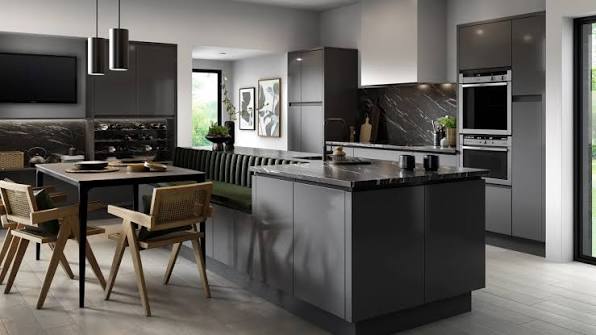
A kitchen is one of the most meaningful spaces in a home because it brings together comfort, creativity, and everyday convenience. It is where meals are prepared, ingredients are stored, and family members often gather to discuss their day. A well-organized kitchen can make household responsibilities easier while adding character to the property. Whether someone prefers a traditional interior or a contemporary design, creating a functional environment should always be the main objective.
The first step toward improving a kitchen is evaluating its existing arrangement. Every household has different cooking habits, storage requirements, and available space. Some people need large preparation areas, while others prioritize convenient cupboards and compact appliances. Understanding these requirements before starting a renovation helps homeowners make better decisions and avoid spending money on features they rarely use.
A practical kitchen layout should allow easy movement between the refrigerator, sink, and cooking area. These three sections are frequently used during meal preparation, so their placement can influence how efficiently the space functions. There should also be enough room for opening drawers, accessing appliances, and moving safely around the kitchen. Good planning can make even a relatively small room feel comfortable.
Cabinetry is another important element that combines storage with interior design. Homeowners can choose from different colours, materials, and finishes depending on their preferences. Wooden cabinets offer a natural appearance, while modern painted finishes create a cleaner look. Inside the cabinets, adjustable shelves and pull-out organizers help keep cookware, dishes, and groceries properly arranged.
Work surfaces should provide sufficient room for preparing ingredients and handling everyday cooking tasks. Quartz, granite, and laminate are commonly considered because they offer different combinations of durability, appearance, and affordability. The right material should suit the household’s cleaning habits and available budget. A matching backsplash can protect surrounding walls while introducing an attractive design feature.
The choice of appliances can also influence how convenient a kitchen feels. Refrigerators, ovens, cooking ranges, and dishwashers should be selected according to household requirements. Modern appliances often include energy-saving functions and features designed to simplify everyday tasks. Measuring the available installation areas before purchasing equipment helps avoid fitting problems and unnecessary expenses.
Lighting is particularly important because kitchen activities require good visibility. General ceiling lighting provides brightness throughout the room, while task lighting focuses on areas used for chopping, washing, and cooking. Under-cabinet fixtures can improve visibility without occupying valuable space. Pendant lights above a kitchen island or breakfast counter can add an attractive decorative element.
Flooring should be chosen with durability and maintenance in mind. Kitchens experience frequent movement, water splashes, and occasional food spills. Ceramic tiles, porcelain flooring, and suitable vinyl materials are practical options for many homes. The selected flooring should complement the interior design while providing a surface that is comfortable and easy to maintain.
Organization is essential for keeping the kitchen functional. Pantry shelves can be arranged according to food categories, while drawer dividers help separate utensils and cooking accessories. Keeping frequently used items accessible reduces preparation time and makes the room easier to manage. Regularly reviewing stored ingredients can also prevent food waste and unnecessary grocery purchases.
Maintaining a clean cooking environment requires consistent attention. Worktops, sinks, cutting boards, and cooking appliances should be cleaned regularly. Proper ventilation helps remove excess steam, smoke, and unpleasant odors, while suitable waste management prevents hygiene problems. These simple practices protect kitchen surfaces and create a healthier environment for preparing food.
Personal touches can make the space feel more inviting. A few indoor plants, attractive containers, wooden accessories, or carefully selected wall decorations can introduce warmth. Homeowners can also refresh an older kitchen by updating cabinet handles, replacing outdated fixtures, or introducing a different colour scheme. Small improvements often provide noticeable results without requiring extensive construction.
A well-designed kitchen should reflect the lifestyle of the people who use it. It needs to offer convenient storage, reliable appliances, comfortable working areas, and an atmosphere that makes everyday cooking enjoyable. By combining thoughtful planning with regular maintenance, homeowners can create a kitchen that remains practical, attractive, and welcoming for many years.
Leave a Reply