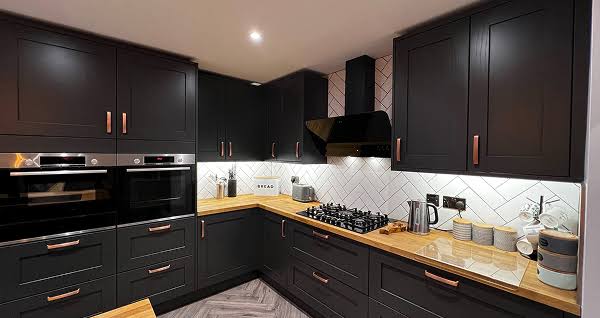
A kitchen is one of the most valuable spaces in a home because it supports everyday cooking, family activities, and household organization. A thoughtfully designed kitchen can improve the overall living experience by providing comfort, convenience, and an attractive appearance. Whether a homeowner prefers a traditional interior or a contemporary design, the right combination of materials, colors, furniture, and lighting can create a space that feels both practical and inviting.
Understanding the Importance of Kitchen Layout
The layout determines how comfortably people can use their kitchen. A well-planned arrangement provides enough room for preparing ingredients, cooking meals, washing dishes, and storing essential supplies. Cabinets and appliances should be positioned to support smooth movement throughout the room.
Different layouts suit different homes. An L-shaped arrangement works well in many medium-sized kitchens, while a single-wall design can be useful in apartments with limited space. Larger kitchens may accommodate islands that provide extra storage and preparation surfaces. Choosing the right arrangement helps make the most of the available area.
Selecting Materials That Last
Material selection is an important part of creating a durable kitchen. Cabinets, countertops, flooring, and wall finishes should withstand everyday use while maintaining their appearance. Moisture-resistant cabinet materials and easy-to-clean surfaces are particularly useful in areas exposed to cooking steam and occasional spills.
Quartz and granite are popular countertop choices because of their attractive appearance and durability. Ceramic and porcelain tiles are frequently selected for flooring because they are available in numerous patterns and finishes. Homeowners should compare quality, maintenance requirements, and cost before selecting materials for their projects.
Creating a Balanced Kitchen Interior
A beautiful kitchen depends on harmony between its different design elements. Cabinets, countertops, flooring, and wall colors should complement one another rather than compete for attention. Neutral colors can create a peaceful atmosphere, while carefully selected darker accents introduce depth and character.
Natural materials are another excellent way to improve kitchen interiors. Wooden shelves, stone surfaces, and decorative plants can make the room feel warmer and more welcoming. The goal is to create an attractive environment without sacrificing functionality.
Making Storage More Convenient
An organized kitchen requires storage solutions that suit everyday household needs. Cabinets should provide enough room for cookware, dishes, groceries, and cleaning supplies. Drawers with separate compartments can make smaller utensils easier to organize.
Modern storage systems also include pull-out pantry shelves, corner cabinet organizers, and adjustable racks. These features are especially helpful when available space is limited. Keeping frequently used ingredients near the cooking area can save time and make meal preparation more efficient.
The Benefits of Proper Kitchen Lighting
Lighting affects both the appearance and usability of a kitchen. A combination of natural and artificial lighting can create a comfortable environment throughout the day. Ceiling fixtures provide general illumination, while under-cabinet lights make food preparation areas easier to use.
Pendant lighting can add decorative appeal above kitchen islands or dining counters. Selecting suitable light fixtures also helps highlight attractive design features and creates a more welcoming atmosphere during evening hours.
Incorporating Practical Technology
Modern technology has introduced many useful improvements to kitchen environments. Energy-efficient refrigerators, advanced cooking ranges, dishwashers, and convenient small appliances can make household activities easier. Some modern appliances also provide automatic settings and improved temperature controls.
However, technology should support actual household requirements. Before purchasing expensive equipment, homeowners should consider available space, energy consumption, maintenance costs, and everyday usefulness. Practical choices often provide greater long-term value than unnecessary features.
Maintaining a Beautiful Kitchen
Regular maintenance helps preserve the appearance and functionality of kitchen interiors. Cleaning countertops, washing utensils, organizing cabinets, and removing food waste are simple habits that make a noticeable difference.
Appliances should be cleaned according to their manufacturers’ recommendations, while sinks and faucets should be checked periodically for leaks. Proper ventilation also helps reduce cooking odors and moisture. These small maintenance activities can prevent common problems and keep the kitchen comfortable.
Conclusion
The art of kitchen design involves balancing visual beauty with practical everyday needs. A suitable layout, durable materials, attractive colors, effective storage, and appropriate lighting can transform an ordinary cooking area into a welcoming part of the home. Homeowners do not need to follow every modern trend to create an impressive result. By focusing on comfort, quality, and personal preferences, they can develop a kitchen that remains functional, elegant, and enjoyable for many years.
Leave a Reply